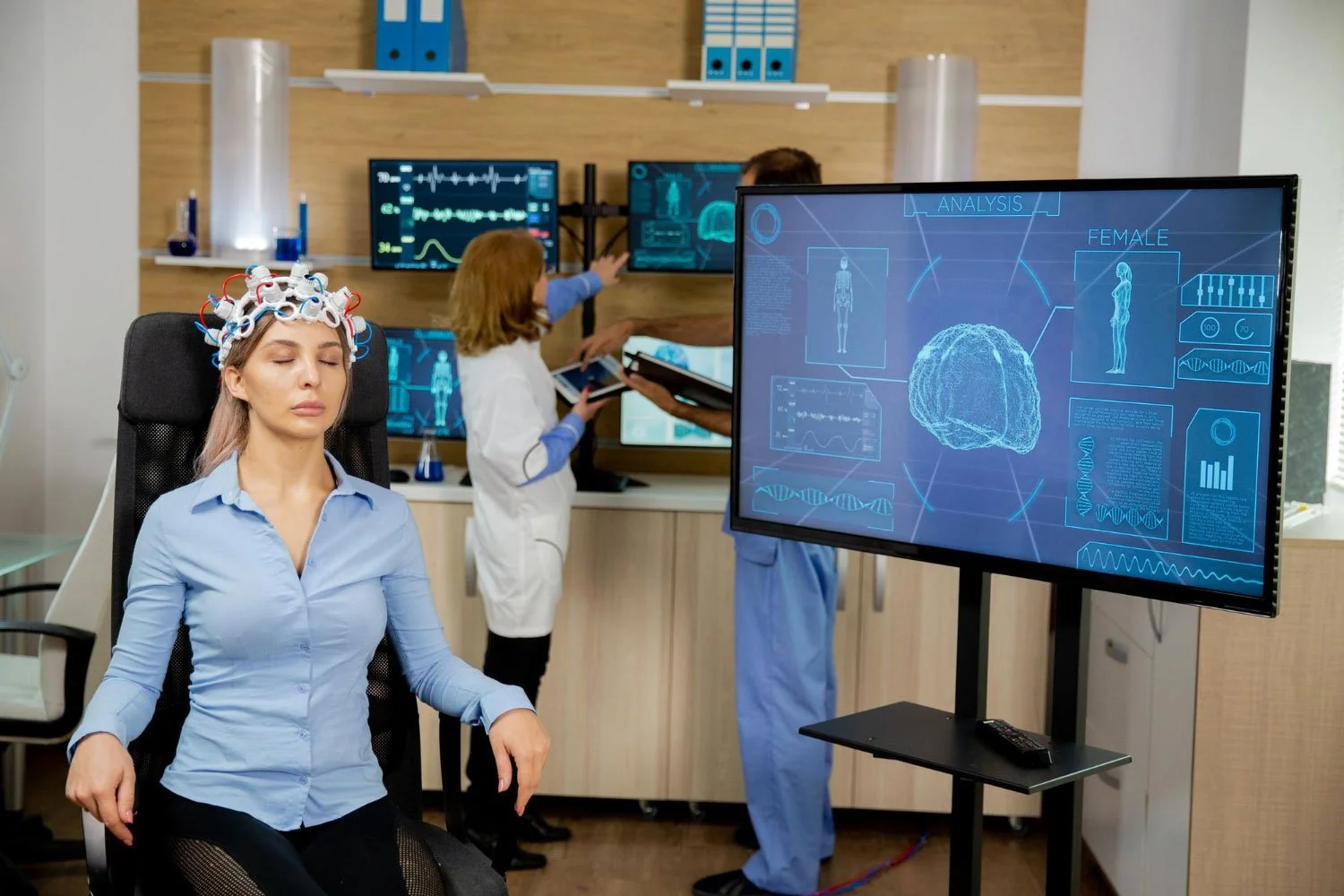
BrainOp Reconnection System
The Five Pillars of the Reconnect System™
The Reconnect SystemTM is built on five interlocking neurological pillars. Each pillar represents a critical domain of brain–body function—and together, they determine resilience, performance, and recovery.
This is not a one-provider model.
It is an integrated clinical system, delivered by a team with complementary expertise.
1. Neuroresilience
The nervous system’s ability to adapt, recover, and regulate under stress
Neuroresilience is the foundation. If the nervous system cannot regulate stress, nothing else holds.
This pillar focuses on:
Autonomic balance (fight/flight vs. rest/restore)
Stress physiology and recovery capacity
Tolerance to physical, emotional, and cognitive load
Nervous system “reserve” and adaptability

Low neuroresilience often shows up as:
Burnout, fatigue, poor sleep
anxiety or shutdown patterns


flares that come out of nowhere
slow or incomplete recovery


When resilience improves, symptoms stop hijacking daily life.
2. Neuroperformance
How efficiently the brain processes, integrates, and executes
Neuroperformance is about bandwidth.
This pillar focuses on:
Focus, attention, and mental clarity
Processing speed and reaction time
Coordination between thinking, feeling, and movement
The brain’s ability to perform under demand

When neuroperformance is compromised, people often experience:


Brain fog
Poor concentration


Feeling “slower” or overwhelmed
Inconsistent energy
Improving neuroperformance doesn’t just help people feel better — it helps them think, move, and live better.
3. Neurostructural
The relationship between posture, movement, and the brain
Structure is not mechanical — it is neurological.
This pillar focuses on:
Postural reflexes and brain-based alignment
Movement patterns with neurological intent
Balance, coordination, and stability
How the brain organizes the body in space

Dysfunction here can present as:
Chronic tension or pain
Headaches or neck issues


Balance or dizziness
Inefficient movement that drains energy


When neurostructural systems improve, the body stops compensating — and the brain saves energy.
4. Neurometabolic
Fueling the brain for resilience, repair, and performance
The brain is metabolically demanding. If fuel delivery, utilization, or signaling is impaired, neurological function suffers.
This pillar focuses on:
Metabolic health as it relates to brain function
Energy availability and utilization
Inflammatory and stress-related metabolic patterns
How metabolism influences resilience and recovery

Neurometabolic issues often show up as:

Brain fog
Persistent fatigue

Plateaued progress despite “doing everything right”
Poor recovery
This pillar ensures the nervous system has the resources it needs to change.
5. Neuroemotional
Regulation of emotional tone, threat perception, and internal safety
Emotions are not abstract — they are neural circuits.
This pillar focuses on:
Limbic system regulation
Emotional processing and stored stress
Safety vs. threat signaling
The energetic and emotional load carried by the nervous system

When this system is dysregulated, people may experience:

Anxiety or panic patterns
Emotional volatility or numbness


Symptoms that worsen during stress
Feeling “stuck” despite insight
Restoring neuroemotional regulation allows the nervous system to stand down and heal.
An Integrated Team Approach
At Brain Optimization Institute, each clinician brings a specialized lens:
Neurology & Neurometabolic oversight
Pattern recognition, system integration, and neurological strategyNeuroemotional & energy-based regulation
Addressing emotional load, stored stress, and internal safetyNeurological movement & integration
Translating brain change into functional movement and stability
All care is coordinated within the Reconnect System™, so no pillar is treated in isolation.
Frequently Ask Questions
-
The BrainOp Reconnection System isn’t caused by anything—it’s a therapy used when brain connections are weak or disrupted. This can happen due to brain injuries, neurological imbalances, developmental conditions, chronic illness, or stress.
-
Generally non-invasive and considered safe, but it’s important to consult a qualified professional before starting.
-
It is based on concepts like neuroplasticity, but it is considered an alternative or specialized therapy, and research evidence is still limited compared to standard medical treatments.
-
Common symptoms of problems in the gut–brain connection (often called the gut-brain axis) include:
Digestive issues like bloating, constipation, or diarrhea
Frequent stomach pain or discomfort
Anxiety, stress, or mood swings
Brain fog or poor concentration
Fatigue or low energy
Sleep problems
These symptoms happen because the gut and brain constantly communicate, so imbalance in one can affect the other.
-
No—“brain reconnection” (or brain connectivity issues) does not show up in blood tests.
Blood work can only detect related factors like infections, inflammation, or vitamin deficiencies, but it cannot measure how brain connections are functioning.